Low Voltage Contractor in Pasadena CA | Project Services
Connected properties depend on reliable wiring, clear planning and installation work that respects the building. A low voltage contractor in Pasadena CA can design and install the systems behind security cameras, access control, structured cabling, Wi-Fi, audio, video and smart controls.

Key Takeaways
- Start with a site review that accounts for construction, daily use, network needs, and future expansion.
- Structured cabling, clear labeling, and tested terminations simplify troubleshooting, maintenance, and later upgrades.
- Plan cameras and access control around coverage, privacy, recording needs, and network capacity.
- Coordinate PoE, Wi-Fi, AV, fiber, ventilation, and conduit before walls close to avoid costly rework.
- Tailor low-voltage infrastructure to business, multifamily, or home requirements rather than using one-size-fits-all designs.
Low Voltage Services for Connected Properties
Thoughtful low voltage services give a property the quiet infrastructure modern living and work demand. From data paths behind finished walls to devices at the entry, the right voltage service plan keeps systems orderly, serviceable, and ready for the technology residents, guests, and teams rely on every day.

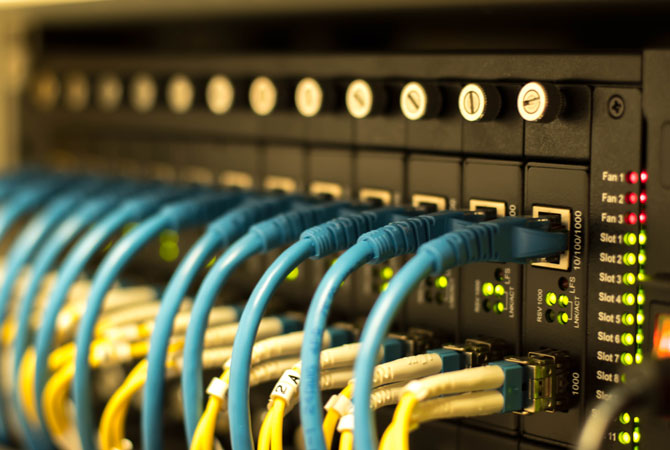
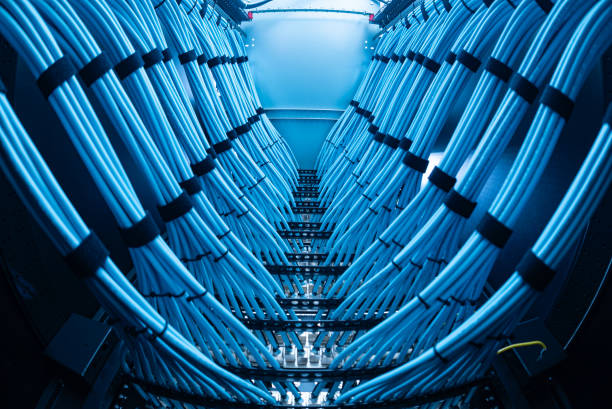
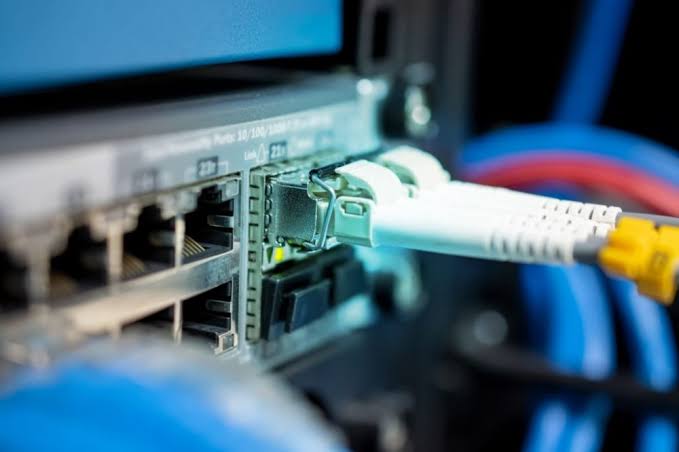
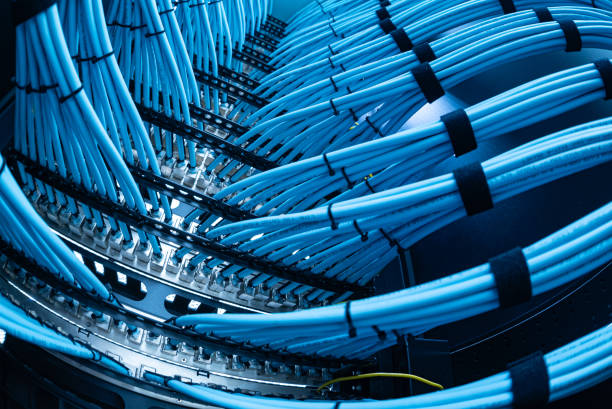
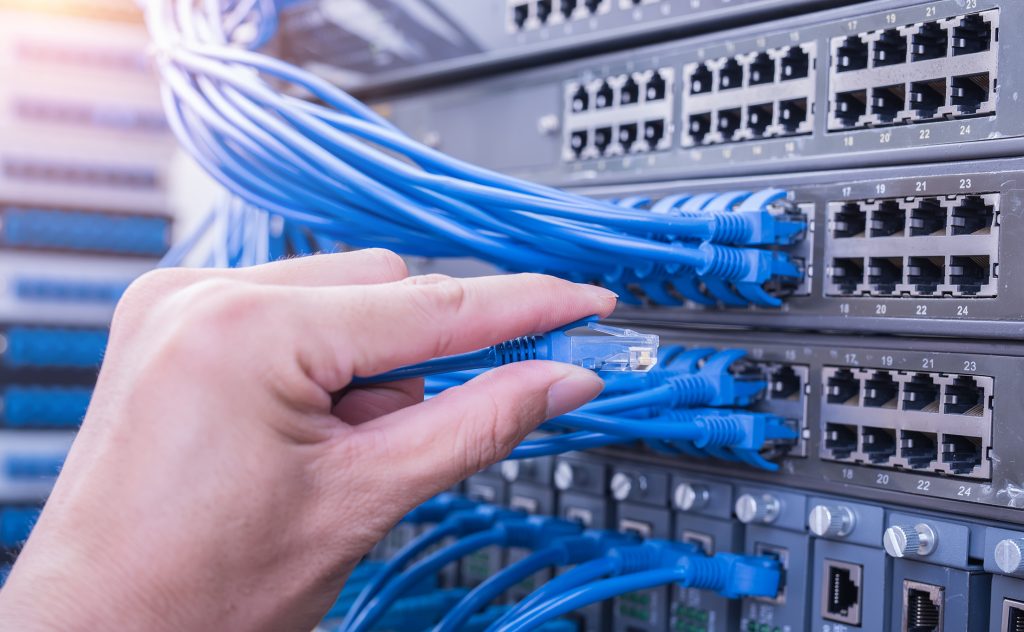
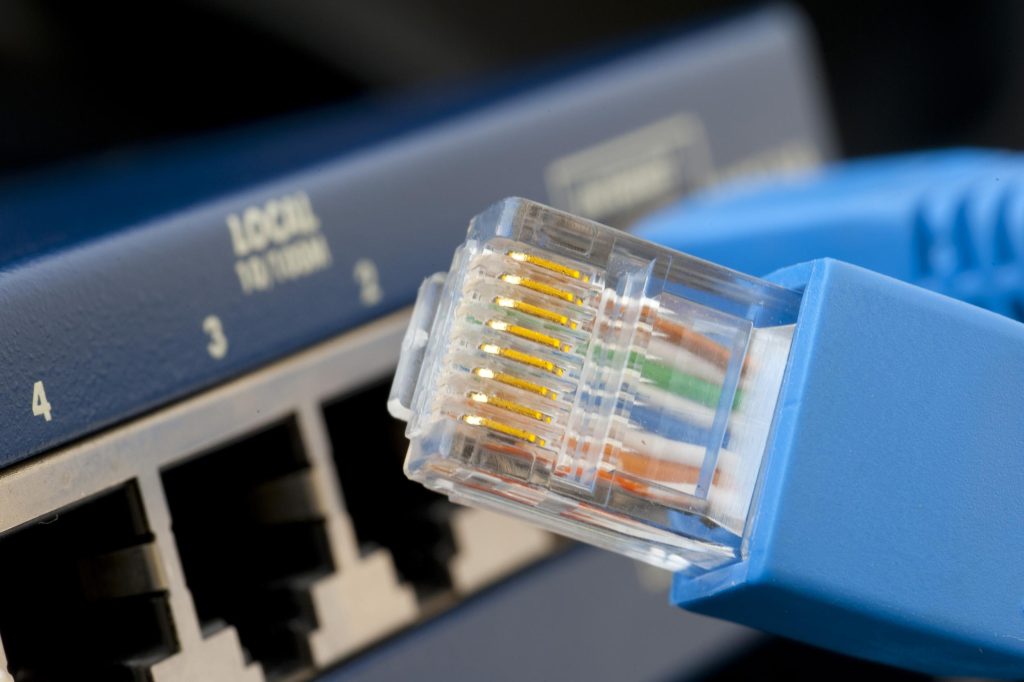
Reliable network cabling starts long before equipment is mounted. A structured plan maps cable routes, outlet locations, rack space, labeling, and future capacity around the way the property will actually be used. Category cable supports dependable wired connections for offices, media rooms, access points, and smart devices; fiber is the right choice for longer runs, high-bandwidth backbones, or separate buildings. Clean terminations and tested links matter just as much as the cable selected.Â
Security cameras should be placed for useful coverage, not simply installed at every visible corner. Entry points, delivery areas, parking approaches, common corridors, and perimeter transitions each call for a camera view suited to its light, distance, and activity. Access control can pair credentialed entry with intercom communication, providing a clear record of who enters and when. A properly planned security system considers network capacity, recording retention, privacy, and remote viewing from the outset.

Low Voltage Scope Coordination Checklist
| Planning area | What to coordinate early | Why it matters |
|---|---|---|
| PoE devices | Locations for Power over Ethernet devices | Helps define the low voltage scope before walls close. |
| Wi-Fi access points | Access-point locations | Places access points where they belong and supports a dependable connected-system foundation. |
| Audiovisual pathways | Pathways for audiovisual systems, speakers, and displays | Protects sightlines and preserves finishes. |
| Equipment ventilation | Ventilation for equipment | Accounts for equipment needs within the low voltage scope. |
| Conduit | Conduit for future pulls | Provides a path for future cabling work. |
| Fiber | Fiber connections between telecom rooms, outbuildings, or high-demand zones | Supports connections where copper runs reach practical limits. |
| Cross-trade coordination | Coordinate with electrical, architectural, and mechanical plans for speakers, displays, access points, sensors, and control panels | Prevents expensive revisions after walls close and places connected systems in their intended locations. |
Projects for Business, Multifamily and Home Settings
Every property has different demands, from occupied offices and apartment communities to a custom home still on paper. A skilled contractor reads the site, plans for access and future changes, and installs systems that fit the building rather than forcing a one-size approach.
A business build-out needs infrastructure that supports daily work from opening day. Network cabling should be mapped around workstations, conferencing rooms, wireless access points, point-of-sale equipment, and server locations, not simply run where walls happen to be open. During expansions and tenant improvements, careful routing preserves a clean finish and limits disruption to occupied areas. Security planning can include controlled entry, cameras, intrusion devices, and the pathways needed for later additions.Â
For a home retrofit, the best route is rarely the most obvious one. Existing finishes, framing, attic access, and furniture shape how low voltage wiring can be installed with minimal disturbance. A site visit identifies realistic pathways for a network, cameras, audio, television, and door hardware before work begins. In new construction, planning early permits cable runs to reach key rooms, exterior locations, equipment closets, and possible future devices before drywall closes.Â
Low-Voltage Wiring Planning: Retrofit vs. New Construction
| Planning factor | Home retrofit | New construction |
|---|---|---|
| Installation conditions | Existing finishes, framing, attic access, and furniture shape the wiring approach. | Planning occurs before drywall closes. |
| Cable routing | Routes are selected to limit disturbance to the existing home. | Cable runs can be routed to key rooms, exterior locations, and equipment closets early. |
| Planning process | A site visit identifies realistic pathways before work begins. | Early planning maps routes before walls are closed. |
| Systems and device locations | Pathways may be planned for a network, cameras, audio, television, and door hardware. | Runs can reach possible future devices along with planned locations. |
| Future flexibility | Existing access and finishes guide what can be installed with minimal disruption. | Pull strings, labeled lines, and sensible equipment placement support later changes without exposed connections. |
Call Us Today for FREE Consultations
Get a free project estimate.
Frequently Asked Questions
A low voltage contractor designs and installs systems that carry data, communications, control, and security signals. Services may include structured cabling, Wi-Fi access points, security cameras, access control, intercoms, audiovisual wiring, fiber, and Power over Ethernet devices.
Look for a contractor who reviews the site before proposing a scope, plans cable routes and equipment locations, documents labeling, tests connections, and coordinates with electrical, architectural, and mechanical trades. Experience with retrofits is useful for older Pasadena homes and occupied commercial spaces.
Yes. Open walls provide the best opportunity to run data cable, fiber, conduit, speaker wire, camera cable, and access-control pathways. Planning before drywall helps avoid visible wiring, surface raceways, and costly wall repairs later.
Cat6 cable suits many wired internet connections, workstations, cameras, wireless access points, and smart devices. Fiber is suited to longer distances, high-bandwidth backbones, separate buildings, and telecom-room connections. A contractor can select cable types based on distance, device needs, and expansion plans.
Yes. Network cabling can connect IP cameras, card readers, video intercoms, door controllers, and related equipment. A proper design accounts for camera views, lighting, recording storage, network capacity, privacy, remote access, and service access.
Power over Ethernet, or PoE, sends data and electrical power through one network cable. It is commonly used for cameras, Wi-Fi access points, intercoms, access-control devices, and certain lighting or control equipment, reducing the need for a separate nearby power outlet.