
Key Takeaways
- Structured cabling creates reliable, serviceable connections for data, voice, Wi-Fi, cameras, and access control.
- Site surveys identify building constraints, code requirements, routing options, and access issues before installation begins.
- Choose copper for most workstation and PoE needs; use fiber for long-distance, inter-building, or high-capacity links.
- Proper pathways, electrical separation, labeling, patch panels, and clean terminations improve performance and troubleshooting.
- Cable certification catches hidden faults and provides documented results for future moves, upgrades, and service calls.
- Detailed planning accommodates Pasadena’s older buildings, occupied spaces, future growth, and project-specific scheduling needs.
Data Cabling, Fiber Optic and Network Cabling Design
Reliable connectivity begins behind the walls, above the ceilings, and inside the communications room. A considered data cabling plan gives every workstation, access point, camera, display and phone a dependable path back to the network, without the clutter and compromises that cause faults later. For homes, retail premises, offices and larger commercial sites, the right infrastructure is sized around the way the property operates now and the changes likely to come.

Structured Cabling Design Considerations
| Design consideration | Why it matters | Planning focus |
|---|---|---|
| Cable category | Affects the data signal delivered at each outlet. | Select cabling suited to current property use and likely future needs. |
| Route selection | Creates dependable paths from devices back to the network. | Plan routes behind walls, above ceilings and through communications areas. |
| Separation from electrical services | Helps limit interference concerns that can affect data signals. | Keep data cabling appropriately separated from electrical services. |
| Termination quality | Shapes outlet signal performance and ongoing reliability. | Use properly placed outlets and clean, accurate terminations. |
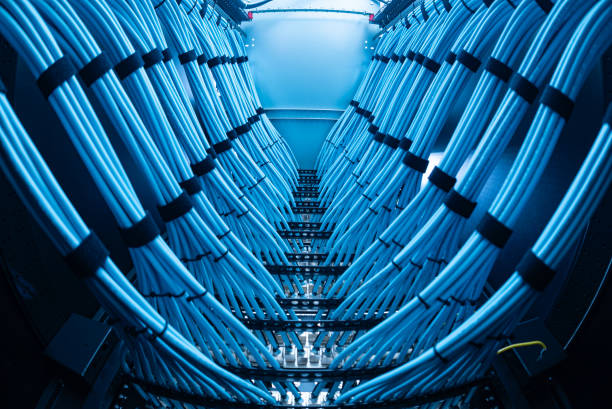
| Structured cabling layout | Labelled runs, patch panels and cabinets make fault-finding and moves less disruptive. | Use a serviceable system rather than isolated cables added for each new device. |
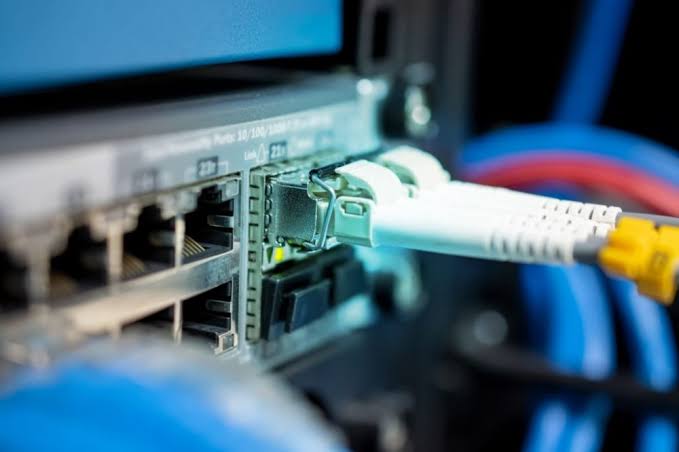
| Fiber optic design | Fiber suits long runs, building links and backbone connections where speed and distance matter. | Account for bend radius, containment, splicing, testing and clean termination. |
| Documentation and future expansion | A neat, documented installation supports new equipment and changing room layouts. | Size infrastructure for present operation and future changes without reopening finished surfaces. |


Site Survey, Code Review and Installation Planning in Pasadena
A polished network installation starts well before a cable is pulled. Our Pasadena site survey process examines the building as it stands: wall construction, ceiling access, equipment locations, electrical conditions, pathways between floors, and the practical limits that drawings can miss. For homes, offices, retail spaces, and mixed-use properties, that early fieldwork turns a broad idea into a clear installation plan.
What a Pasadena Network Site Survey and Installation Plan Covers
| Planning area | What the site survey reviews | Why it affects installation |
|---|---|---|
| Cable pathways | Wall construction, ceiling access, routes between floors, crawl spaces, and available low-voltage paths | Helps define sensible cable routes and identify areas requiring a different routing approach. |
| Building constraints | Fire-rated walls, historic finishes, original plaster, finished millwork, detached garages, additions, and occupied work areas | Shapes routing and support methods while respecting the property and limiting disruption. |
| Equipment locations | Existing equipment locations, rack or enclosure placement, termination points, and electrical conditions | Provides a usable layout for network equipment and cable terminations. |
| Code-related review | Applicable low-voltage requirements, penetrations, cable support, separation from power, and labeling | Guides installation methods before work begins. |
| Wireless, testing, and future service | Wireless access point locations, cable types, drops, testing expectations, and service access | Defines network coverage, testing needs, and room for future growth without reopening finished walls. |