

Key Takeaways
- Structured cabling creates an organized, documented backbone for reliable commercial connectivity and future expansion.
- Coordinate cabling early with building, furniture, electrical, and IT plans to avoid inaccessible or disruptive installations.
- Centralized patch panels, labeled runs, and disciplined pathways simplify moves, upgrades, troubleshooting, and maintenance.
- Require certification testing, matching cable IDs, editable schedules, marked-up plans, and warranty records before final payment.
- Review older cabling for bandwidth limits, damage, poor labeling, and capacity constraints; upgrade strategically when needed.
- Plan spare tray and cabinet capacity, separate data from electrical services, and consider fiber for long-term growth.
Structured Cabling Contractor in Pasadena CA
A structured cabling contractor in Pasadena CA plans and installs the physical backbone that keeps commercial spaces connected. From a single office refresh to a larger Pasadena project, structured cabling should be organized, documented, and ready for the equipment your business relies on every day.

Space-by-Space Connectivity Planning Reference
| Space or system | Typical connection needs | Cabling and signal considerations |
|---|---|---|
| Conference rooms | Dependable connectivity at the table | Plan clear pathways and correctly terminated connections for room equipment. |
| Reception areas | Voice and security connections | Provide pathways for voice lines and security-related connections. |
| Server rooms | Network connections and equipment support | Use disciplined cable management, with labeling and testing records for runs, ports, and endpoints. |
| Wireless access points | Network connectivity | Require clear pathways and correctly terminated connections. |
| Cameras | Security-related connectivity | Require clear pathways and correctly terminated connections. |
| Access control | Security connections | Plan pathways and terminations that support the access-control system. |
| Paging | Paging system connections | Match signal planning to the use of the space and document endpoints. |
| Audiovisual components | Audiovisual connectivity | Match signal solutions to how the space will be used. |







Structured Cabling vs. Basic Network Cabling and Patchwork Additions
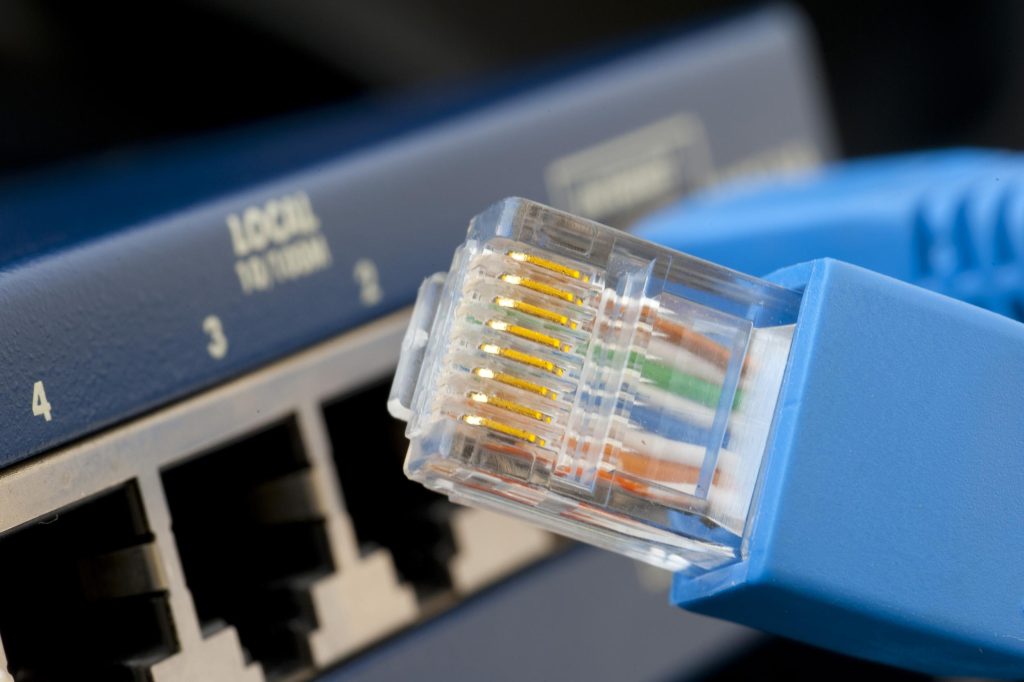
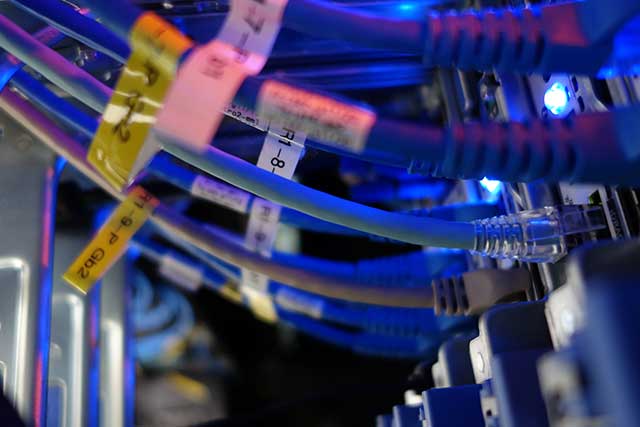
Basic network cabling can get a small office online quickly: a cable run to a desk, a switch mounted where space allows, and a few loose leads added as needs change. That approach often works at first, yet it can leave a property difficult to trace, alter, or service years later. Structured cabling is planned as a single physical system, with permanent data cabling runs routed back to a central location and clearly labelled at both ends. A patch panel provides the orderly hand-off between those fixed runs and active equipment, so moves, upgrades, and fault finding can happen without disturbing cables in walls or ceilings. Patchwork additions tend to create mixed cable types, unclear routes, and connections that have outlived their original purpose. For premises expecting new staff, wireless access points, cameras, phones, or upgraded internet services, a properly designed network cabling installation offers a cleaner foundation and far less disruption when the next change arrives.
Structured cabling advantages
- Route permanent data cables from each outlet back to one central communications location.
- Label cables and outlets at both ends for faster tracing, maintenance, and fault finding.
- Use a patch panel to connect fixed cabling neatly to switches, routers, and phone equipment.
- Add desks, access points, cameras, or phones without disturbing ceiling or wall cabling.
- Avoid mixed cable types, unclear routes, and redundant connections common in patchwork installations.
- Plan capacity for staff growth and future internet upgrades before rooms become difficult to access.
Structured Cabling and Patchwork Additions: Key Differences
| Consideration | Structured cabling | Basic cabling and patchwork additions |
|---|---|---|
| Layout | Planned as one physical system, with permanent data runs routed to a central location. | A cable run may go to a desk, with switches mounted wherever space is available. |
| Traceability | Cables are clearly labelled at both ends. | Routes can be unclear, making the installation harder to trace years later. |
| Changes and upgrades | A patch panel separates fixed runs from active equipment, allowing moves and upgrades without disturbing cables in walls or ceilings. | Loose leads are added as needs change, which can create mixed cable types and old connections. |
| Fault finding and servicing | The orderly hand-off at the patch panel supports fault finding and servicing. | The property can become difficult to alter or service over time. |
| Support for growth | Provides a cleaner foundation for new staff, wireless access points, cameras, phones, and upgraded internet services. | Future changes may cause more disruption. |