Key Takeaways
- Start with a site walk-through that maps drops, pathways, telecom rooms, access limits, and future expansion needs.
- Require labeled, documented cable runs that match certification test records for easier maintenance and troubleshooting.
- Choose fiber, copper, and cable ratings based on distance, bandwidth, PoE needs, environment, and installation route.
- Maintain separation from electrical interference, protect fire-rated barriers, and plan adequate power, grounding, cooling, and rack space.
- Vet Alhambra contractors for licensing, insurance, local references, detailed quotes, and documented testing of every run.
Fiber Optic, Fiber and Optic Links: Selecting the Right Medium
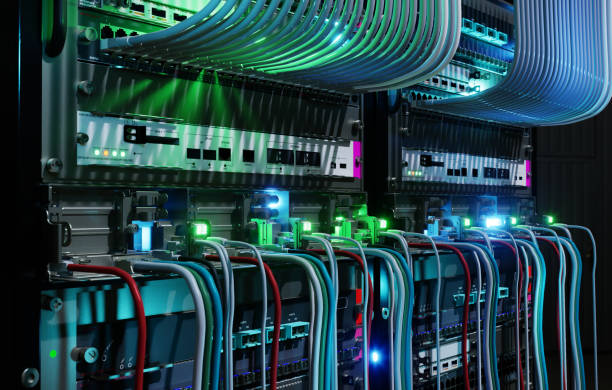
“Fiber optic,” “fiber,” and “optic” are often used interchangeably on local job sites, yet they can point to different parts of the same communications system. Fiber is the slender glass strand that carries light. Fiber optic usually describes the cable, equipment, or transmission method built around those strands. An optic link refers to the full path between two points: transceivers, patch panels, connectors, cable, splices, and the installed route.
Fiber, Fiber Optic, and Optic Link: What Each Term Refers To
| Term | What it refers to | What it includes or describes | Why it matters when planning a project |
|---|---|---|---|
| Fiber | The slender glass strand that carries light. | The individual light-carrying strand within a communications system. | Helps define the transmission medium used for the cable run. |
| Fiber optic | The cable, equipment, or transmission method built around fiber strands. | Fiber-based cabling and the equipment or method used to transmit data with light. | Supports cable and equipment selection based on distance, bandwidth, and site conditions. |
| Optic link | The full communications path between two points. | Transceivers, patch panels, connectors, cable, splices, and the installed route. | Calls for planning beyond the cable itself, including termination, connectors, route conditions, and capacity for future devices. |
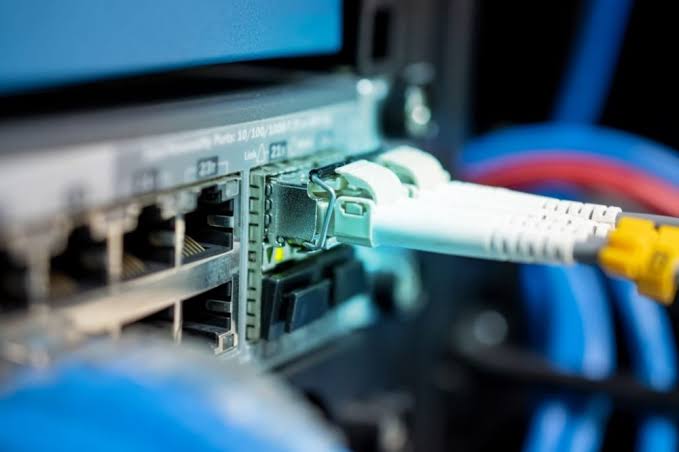
Cabling Services for Data Cabling and Network Cabling
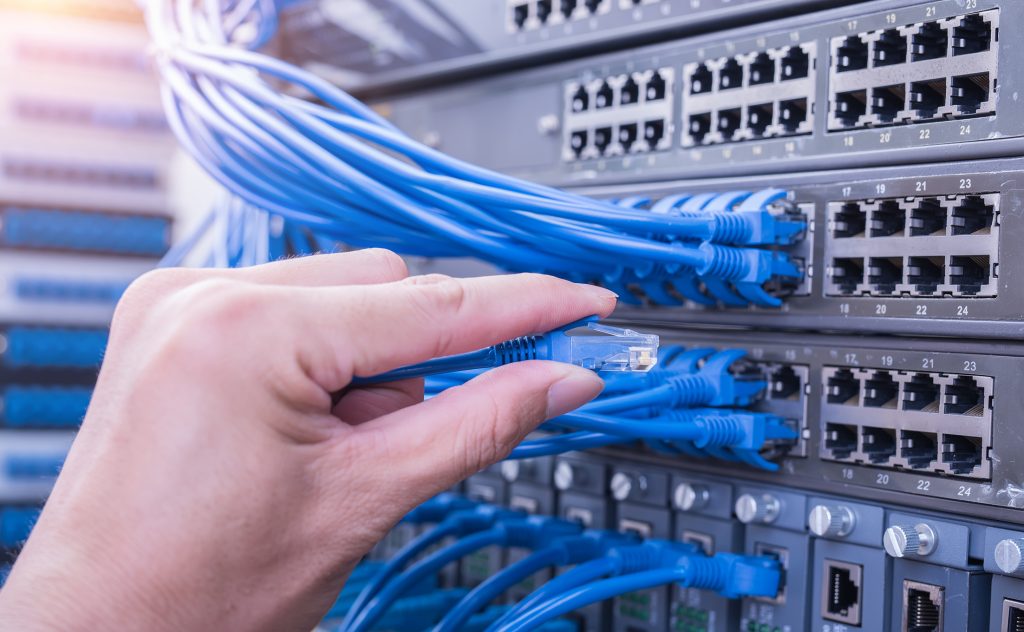
Reliable cabling is the quiet infrastructure behind a productive office, a responsive retail counter, a secure property, and a connected home. Professional cabling services begin with a clear view of how people use the space today and where equipment may move or expand tomorrow. That means planning clean routes, sensible equipment locations, labeled runs, and capacity for future data demands rather than leaving a patchwork of exposed cords and improvised connections. A properly structured cabling system gives network cabling, data cabling, voice lines, wireless access points, and low voltage devices a common, orderly foundation. It can support workstations, phones, printers, point-of-sale hardware, door access equipment, security cameras, and cameras used for monitoring entrances or shared areas. The quality of the installation matters beyond appearance: cable category, termination, testing, separation from electrical interference, and rack organization all affect day-to-day reliability.
Structured cabling essentials
- Map workstation, phone, camera, access-control, printer, and wireless access point locations before installation begins.
- Choose cable categories suited to current network speeds and planned equipment growth.
- Route cables through clean, protected pathways away from electrical lines that may cause interference.
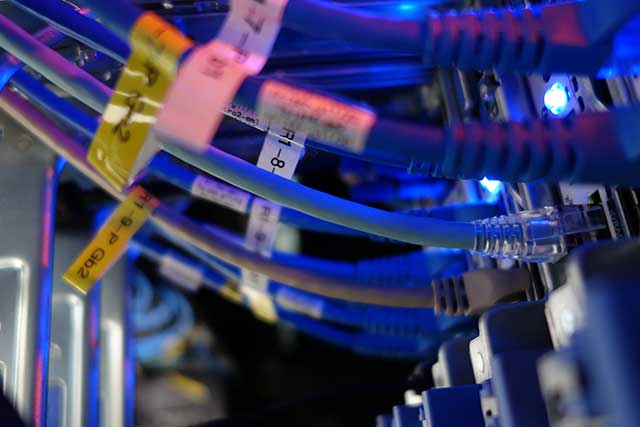
- Use labeled wall ports, patch panels, and cable runs for faster service calls and simpler moves.
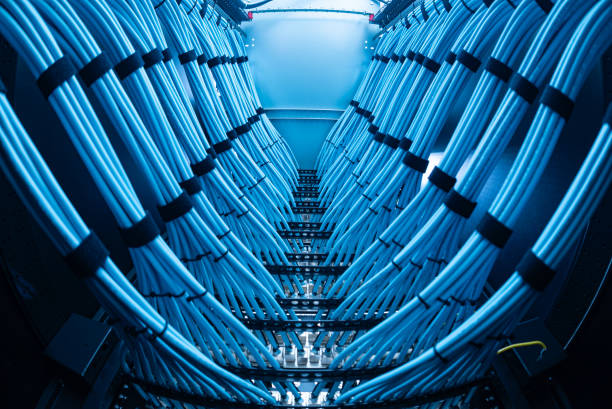
- Organize racks and equipment rooms with proper spacing, cable management, and room for new connections.
- Test every run after termination to verify performance, continuity, and reliable network operation.
- Document cable paths, port numbers, and equipment locations for future repairs, upgrades, and tenant changes.