
Key Takeaways
- Plan cabling around building layout, current devices, growth, access, and operational disruption.
- Use Cat6 for typical horizontal runs and fiber for long distances, high capacity, or interbuilding links.
- Reliable Wi-Fi depends on correctly placed, powered, high-speed wired connections to access points.
- Clear labels, organized racks, protected pathways, and power-data separation simplify maintenance and troubleshooting.
- Require tested links, documented results, floor plans, rack records, and photos at project handoff.
- Choose contractors who survey the site, respect standards, coordinate work, and plan for future expansion.
Cabling Services, From Structured Pathways to Clean Rack Rooms
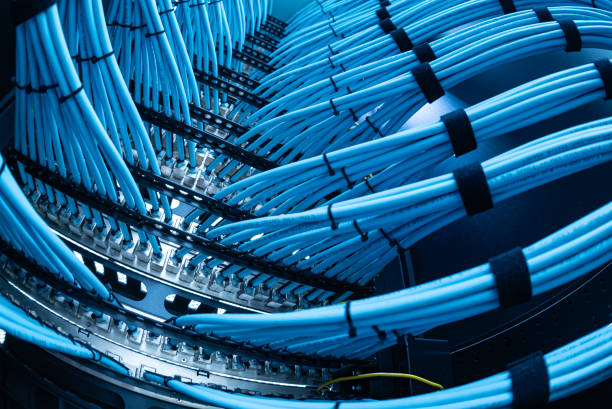
Reliable connectivity starts long before a device joins the network. It begins with a considered route for every cable: pathways that respect the building, labels that make sense months later, and terminations completed with care. Our cabling services cover the practical work that keeps offices, retail sites, schools and commercial premises connected without leaving ceilings, comms cupboards or work areas in disorder.

What a Well-Managed Cabling Installation Includes
| Area | What the service covers | Operational benefit |
|---|---|---|
| Pathways | Considered cable routes that respect the building and account for access. | Cables are easier to install, trace and maintain. |
| Containment | Installation of suitable containment for cable runs. | Ceilings, comms cupboards and work areas remain orderly. |
| Labelling | Clear labels for cable runs and rack connections. | Teams can identify connections months after installation. |
| Testing | Each cable run is tested before handover. | Connections are checked before the site is handed over. |
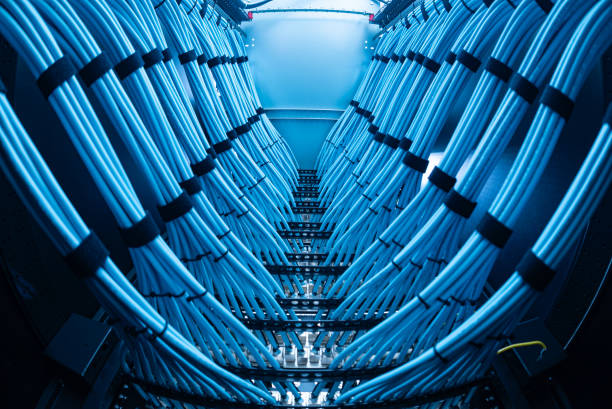
| Rack management | Neatly dressed patch leads, separation of power and data, and usable slack. | Routine support is faster, with less chance of accidental disconnection. |
| Future capacity | Routes are planned around capacity and future changes. | The cabling can be expanded more easily as needs change. |






Network Cabling for Offices, Retail, Healthcare, and Industrial Sites
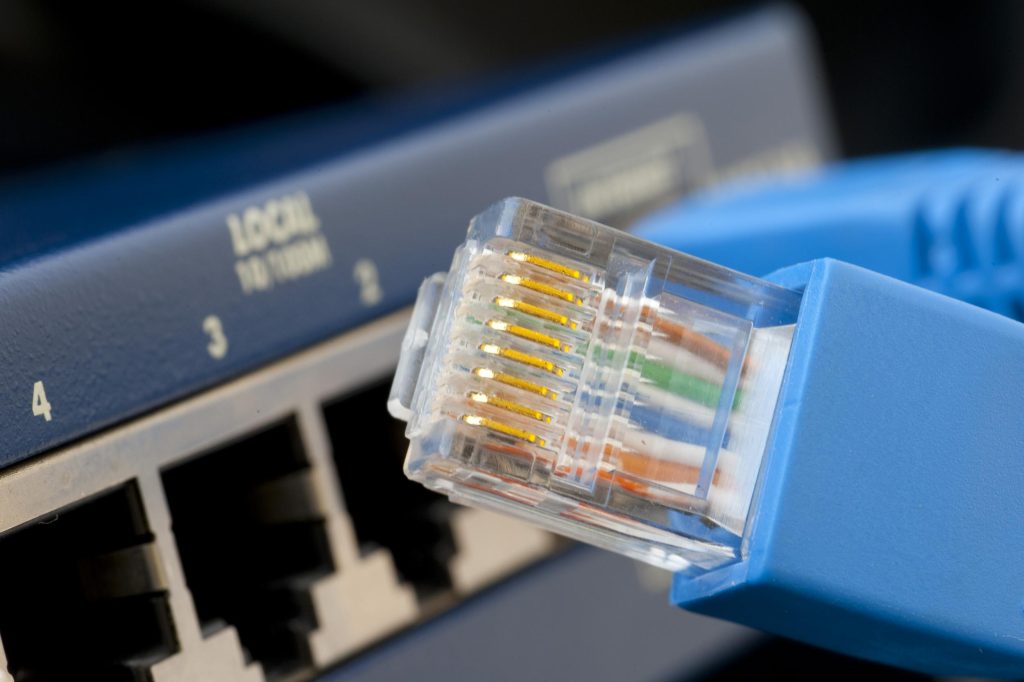
Network cabling needs to suit the way a site operates, not just the number of desks on a floor plan. A professional office may need tidy desk-to-rack runs, reliable Wi-Fi access point links, meeting-room connectivity, and capacity for expansion. Retail sites often need discreet cabling for tills, payment terminals, stock systems, CCTV, digital displays, and back-office equipment without disrupting trading hours. Healthcare facilities place different demands on network infrastructure. Clinical areas, reception zones, imaging departments, and administration teams may all rely on separate systems, with careful routing needed around occupied rooms and sensitive equipment. Clear labelling, tested outlets, and properly documented cable paths make future moves and fault finding far less disruptive.
Site cabling priorities
- Match cable routes and outlet locations to daily workflows, equipment positions, and planned growth.
- Use tidy desk-to-rack runs for offices, meeting rooms, Wi-Fi access points, and shared storage connections.
- Schedule retail installation around trading hours to limit disruption to tills, payment terminals, CCTV, and displays.
- Separate clinical, reception, imaging, and administrative systems with carefully planned routes around occupied areas.
- Label every outlet, patch panel, and cable route clearly; retain test records and route documentation.
- Protect industrial cabling from machinery, dust, heat, and impact using suitable containment and cabinet locations.
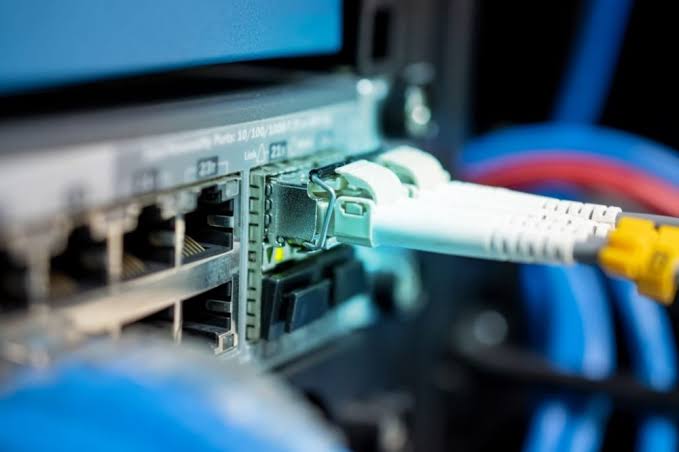
- Combine copper and fibre links where distance, bandwidth, wireless coverage, or SAN traffic calls for it.