
Key Takeaways
- Plan cabling around building layout, device needs, future growth, and discreet routes that protect finished interiors.
- Use Cat6 for many gigabit deployments; consider Cat6A or fiber for longer runs, density, and higher-speed backbones.
- Reliable Wi-Fi depends on wired access-point backhaul, thoughtful placement, and a site survey, not just faster internet service.
- Specify pathways, firestopping, grounding, ventilation, labeling, and testing to ensure safe, serviceable long-term performance.
- Request detailed scopes covering runs, terminations, rack work, restoration, coordination, assumptions, and closeout documentation.
- Choose licensed, insured installers with local experience, clear communication, relevant examples, and a written warranty.
Network Cabling Company San Marino CA, San Marino Properties and Signal Solutions
Choosing a network cabling company San Marino CA property owners can rely on starts with a close reading of the building itself. San Marino homes, professional offices, and private facilities often combine refined finishes, substantial walls, detached structures, and carefully planned outdoor areas. A cabling plan needs to respect those details while giving the network room to serve current devices and future needs. Clean pathways, discreet wall plates, labeled terminations, and properly located equipment keep the finished installation orderly rather than intrusive.

What a Network Cabling Proposal Should Clarify
| Proposal item | What it should specify | Why it matters |
|---|---|---|
| Cable runs | Number of runs and distance to the network closet | These details shape project scope and final price. |
| Pathway access | Planned routes through attics, crawlspaces, conduits, or low-visibility wall cavities | Route planning can reduce avoidable wall openings and protect refined finishes. |
| Termination hardware | Wall plates, labeled terminations, and equipment-rack connections included in the work | Documented terminations keep connections orderly and serviceable. |
| Testing records | Testing work and records provided after installation | Records support long-term performance review and document each connection’s purpose. |
| Restoration work | Any repair or finish restoration included after cabling access work | Restoration scope affects the final price and the property’s finished appearance. |
| Optional upgrades | Upgrades separated from the base scope and clearly identified | Property owners can compare proposals without confusing optional work with required infrastructure. |




Data Cabling Solutions, Fiber, Equipment and Safe Pathways
A dependable network starts long before a device connects. The quality of a building’s data cabling affects day-to-day work, from clear calls and reliable Wi-Fi to secure access control, cameras, point-of-sale systems and cloud applications. A considered installation accounts for current demand, planned growth and the practical realities behind walls, above ceilings and within equipment rooms.
Data Cabling Infrastructure: What Each Element Supports
| Infrastructure element | Typical role in the installation | Planning considerations |
|---|---|---|
| Copper cabling | Connects desk locations, wireless access points, phones, and powered devices. | Match cable category to required speed, distance, and power needs. |
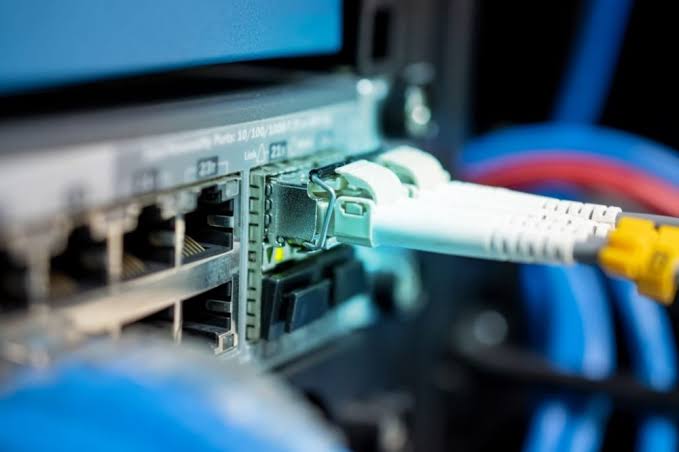
| Fiber backbone | Links floors, suites, network closets, or separate structures over longer runs. | Suited to high data volumes and locations where electrical interference may affect copper. |
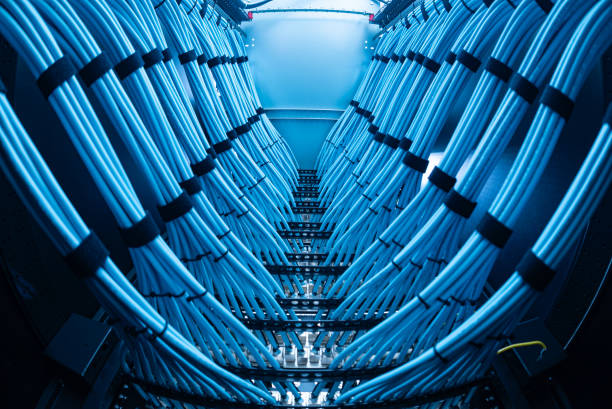
| Pathways | Protect cabling and provide routes for present and future cable runs. | Use properly placed and supported J-hooks, cable tray, conduit, and sleeves; allow heat dissipation and separation from electrical services. |
| Fire-stopping | Seals cable penetrations through rated walls and floors. | Use an approved system at every opening to preserve the assembly’s fire rating. |
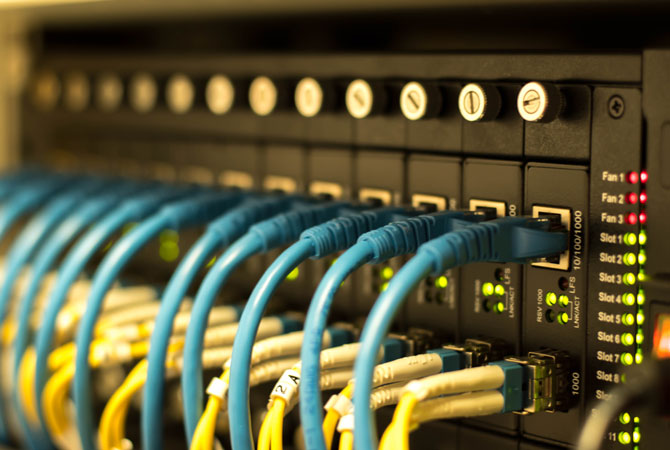
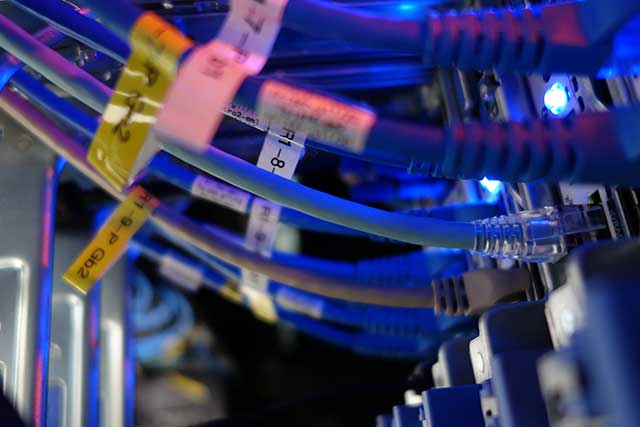
| Equipment-room organization | Keeps network connections traceable and routine moves less disruptive. | Use clean rack layouts, labeled patch panels, managed slack, and appropriate grounding. |
| Active-equipment support | Provides operating conditions for switches, wireless hardware, and uninterruptible power supplies. | Provide adequate ventilation, accessible power, and room for service work. |