
Key Takeaways
- Structured cabling supports computers, Wi-Fi, phones, cameras, access control, payment terminals, and cloud-connected equipment.
- Plan copper device connections and fiber backbones around distance, capacity, building pathways, and future growth.
- Require consistent labeling, certification testing, cable management, and documentation for easier troubleshooting and future changes.
- Before hiring, verify permits, licensing, insurance, local references, scope details, and post-installation support.
Network cabling company Bakersfield CA, services for business systems
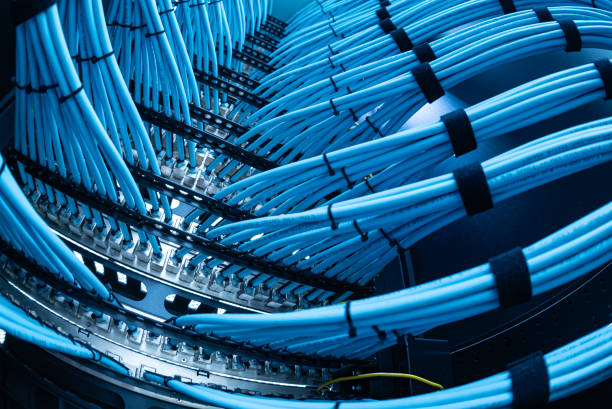
A dependable network starts behind the walls, where cable routes, terminations, and equipment choices shape daily work. For Bakersfield businesses, a qualified network cabling company plans infrastructure around the building, the people using it, and the services running across it. That may include structured network cabling for data and voice and data, fiber optic backbones between spaces, network wiring for wireless access points, and clean connections for every device.

Business Network Cabling Systems at a Glance
| System or connection | Typical role in a business network | Planning consideration |
|---|---|---|
| Structured network cabling | Provides data and voice connections across the building. | Plan routes around building layout, cable-run length, and future growth. |
| Fiber optic backbones | Connects spaces within a business location. | Protect fiber and use suitable pathways. |
| Wireless access point wiring | Provides wired connections for wireless access points. | Account for cable routes and device locations. |
| Network drops and device connections | Connects business devices to the network. | Label every drop and keep clear records for future support. |
| Security cameras and security systems | Depend on reliable data connections. | Include them in an organized cabling plan. |
| Door access control | Depends on reliable data connections. | Coordinate connections with other business systems. |
| Phones | Use voice and data cabling. | Plan cabling for present-day operations and room to grow. |
| Payment terminals | Depend on reliable data connections. | Use clean connections and documented cable paths. |
| Cloud-connected equipment | Depends on reliable data connections. | Allow equipment rooms room to grow. |
Business Cabling Priorities
- Plan cable routes around building layout, warehouse traffic, heat, and future expansion.
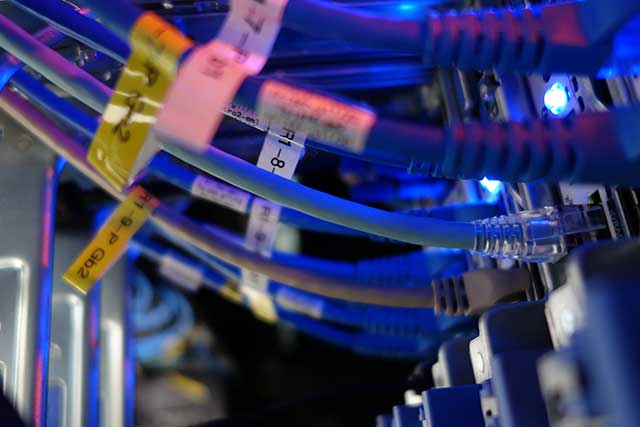
- Label every drop and document pathways for faster maintenance and troubleshooting.
- Use fiber backbones for long runs between offices, warehouses, and equipment rooms.
- Support cameras, access control, phones, payment terminals, and wireless access points.
- Leave equipment-room capacity for new devices, services, and network growth.



Data cabling and structured cabling, scope, standards and installation
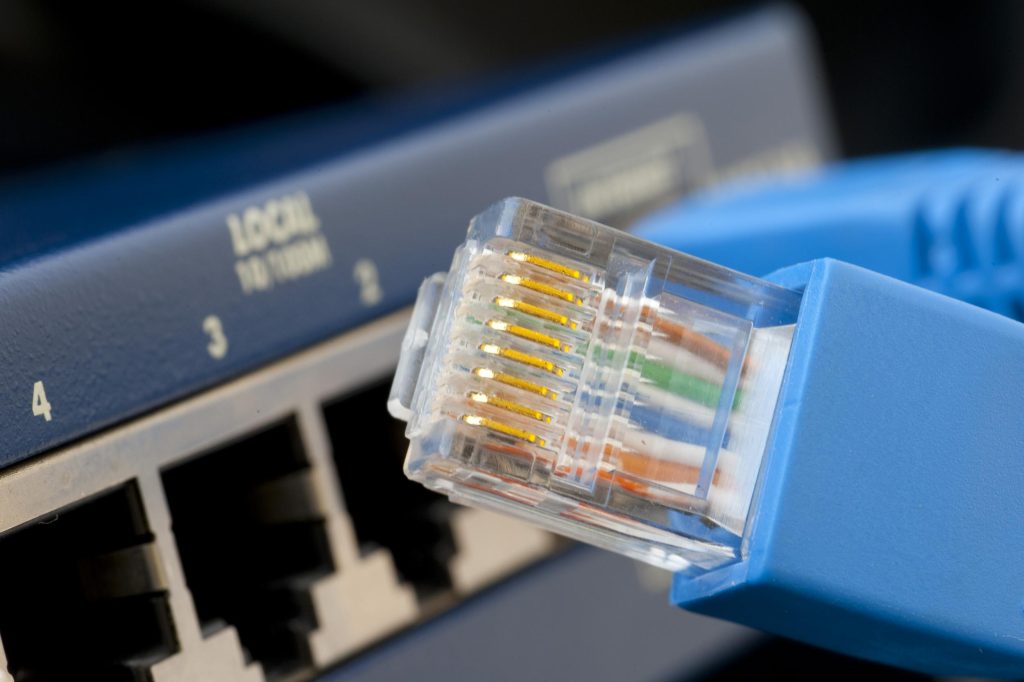
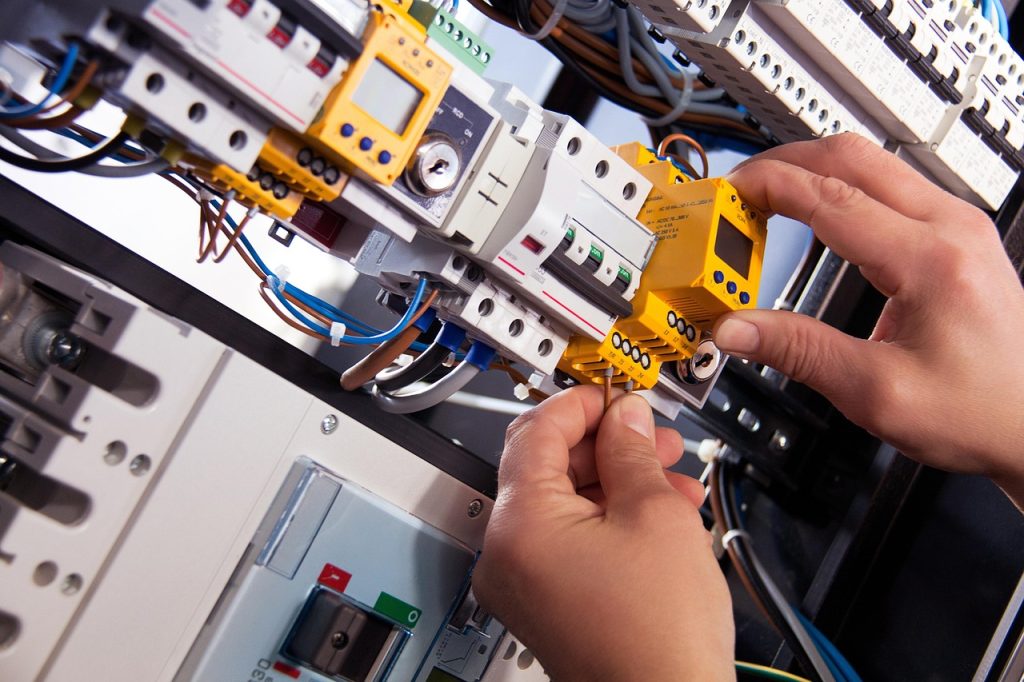
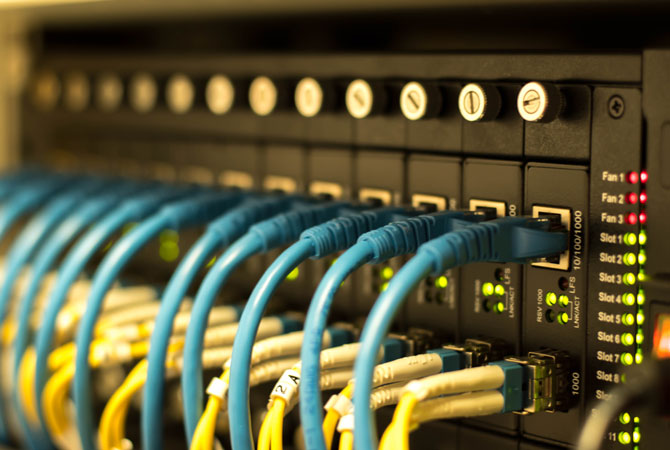
Data cabling is the physical foundation beneath every dependable network, carrying traffic between workstations, wireless access points, phones, cameras, servers and cloud-connected systems. Structured cabling brings order to that foundation: a planned, labelled and testable system of horizontal network cabling, backbone links, cabinets, patch panels and outlets that can be maintained long after the original project is complete.
Structured Cabling Components and Their Role
| Component or consideration | Role in the cabling installation | What to plan or document |
|---|---|---|
| Horizontal cabling | Connects workstations, phones, cameras and wireless access points to the network. | Route locations, outlet positions, cable type and capacity for occupancy growth. |
| Backbone links | Carry traffic between cabinets, servers and building areas. | Link routes, distances, required capacity and backbone cable choice. |
| Fiber optic cabling | Supports high-capacity backbone runs, longer distances and links between buildings. | Fiber type, core count, pathway capacity and room for growth. |
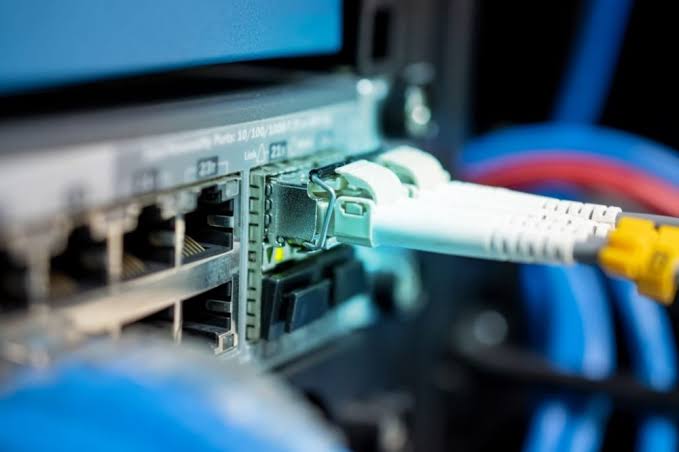
| Cabinets, patch panels and outlets | Provide organised termination and connection points for cabling. | Cabinet locations, patch-panel layout and outlet locations. |
| Ceiling routes, risers and containment | Provide protected routes for cables across the site. | Available routes, riser access, containment space and pathway capacity. |
| Power separation and fire stopping | Shape safe cable routing through the building. | Separation from power services and fire-stopping requirements at penetrations. |
| Labels and test certification | Support fault finding, maintenance and confirmation of completed runs. | Consistent link labels, infrastructure records and test results. |
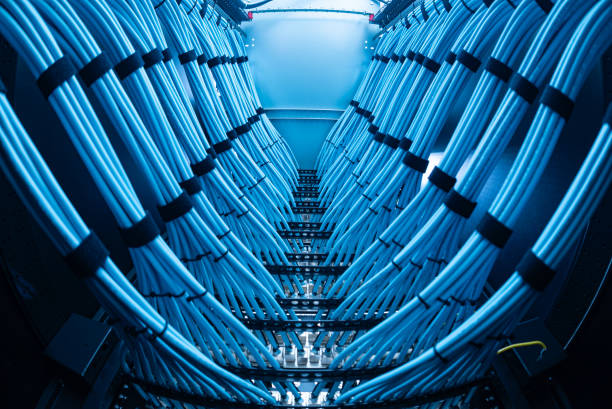
| Cable management | Protects bend radius and keeps moves, additions and changes manageable. | Management methods that maintain cable support and access. |
Structured cabling checklist
- Survey routes, risers, containment, power separation and cabinet locations before design work.
- Match copper and fiber choices to distance, capacity and anticipated growth.
- Allow pathway and cabinet capacity for future moves, additions and changes.
- Label every link consistently and document outlets, panels, cabinets and backbone connections.
- Certify completed runs, maintain bend radius and apply compliant fire stopping.